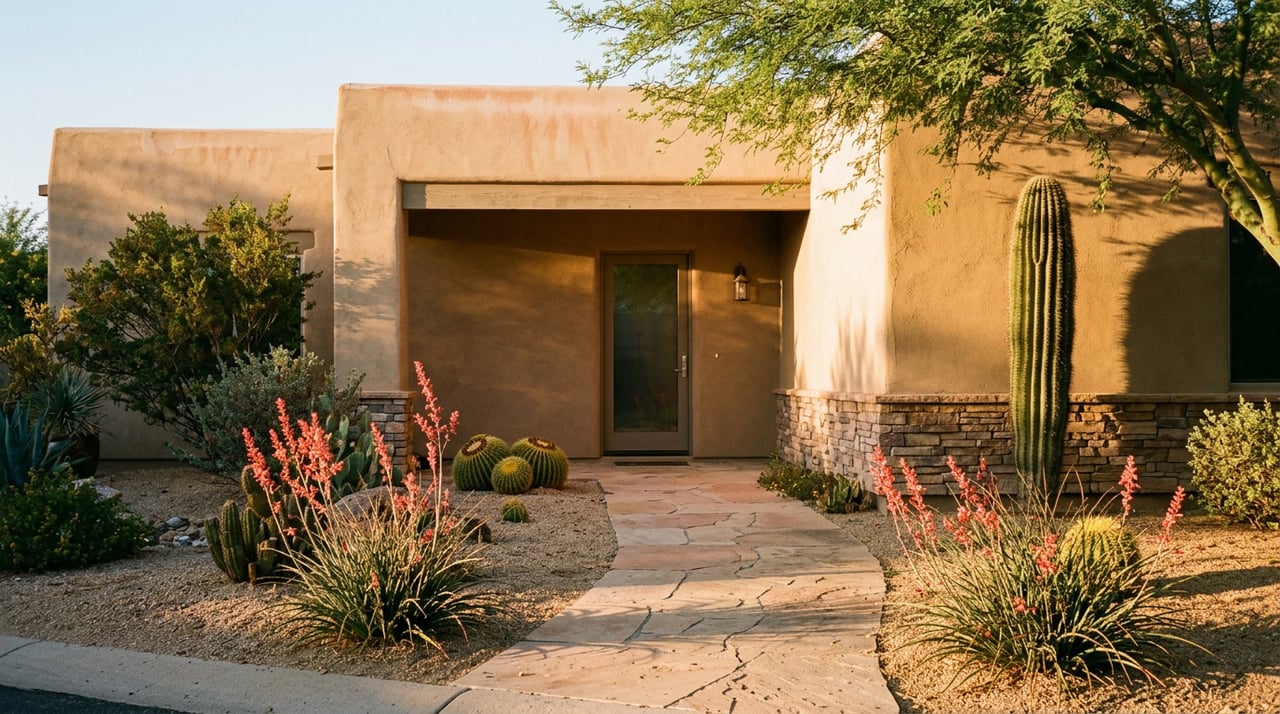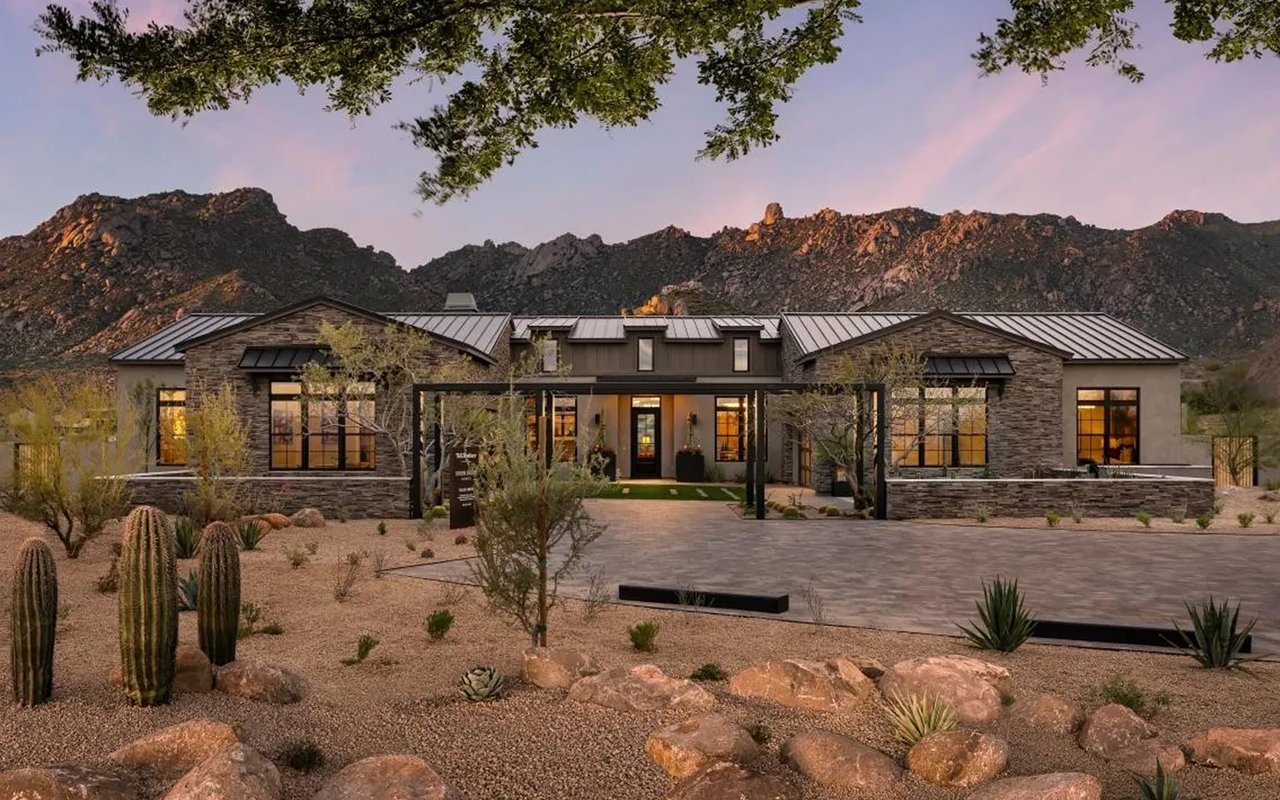
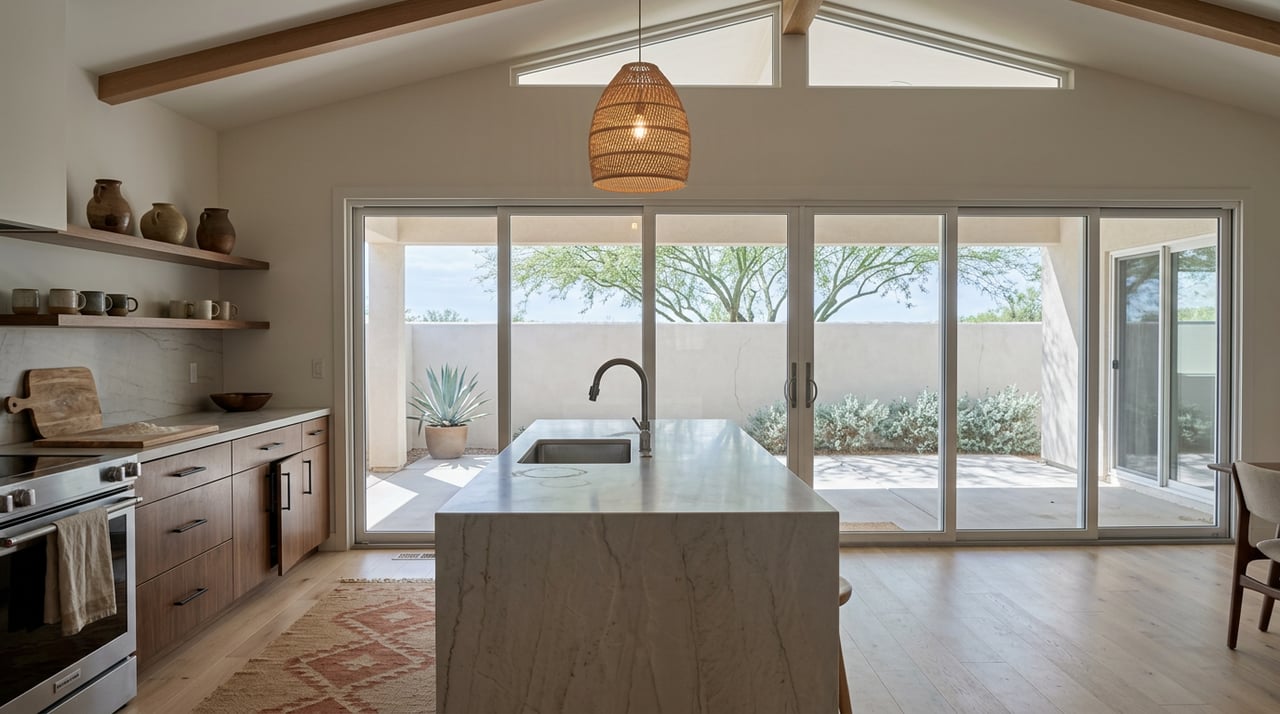
Scroll through active listings in Surprise long enough and you'll find one: a tidy single-story near Loop 303, vaulted ceilings, turf backyard, and a line near the bottom that reads something like "assumable 2.25% VA loan available for qualified buyers." At a moment when the average 30-year fixed rate sat at 6.66% the week of August 27, 2026, according to Freddie Mac's weekly survey, that line does exactly what it's supposed to do. It stops the scroll.
What it doesn't say, because listings rarely do, is how much cash you'll need on hand to actually get that rate. The rate is real. The loan is real. The number standing between you and it is the part that tends to surprise buyers who've already run the math on the payment and assumed the hard part was over.
What the Rate Actually Buys You
Start with the appeal, because it's not exaggerated. On a $300,000 loan balance, a 2.25% VA loan runs roughly $1,147 a month in principal and interest. The same balance financed today at 6.66% runs closer to $1,929. That's a gap of about $780 a month, comfortably inside the range other Phoenix-area lenders and brokers have cited for what assumable financing can save a buyer on a typical local purchase.
Multiply that by 360 months and the appeal stops being abstract. It's the difference between a payment that fits a budget and one that stretches it.
Where the Math Turns
Here's the part the listing photo doesn't show. An assumable loan doesn't transfer the house. It transfers the remaining balance on the seller's mortgage, and that balance is almost never the same number as the sale price.
Say that same $300,000 balance sits under a home that's now worth Surprise's current median, somewhere between $419,000 and $435,000 depending on which tracker you trust (Redfin put the city's median at $419,000 in December 2025, down 3.2% year over year, while a separate June 2026 dataset put it at $435,000, up slightly over the same period). Even taking the lower figure, that leaves roughly a $120,000 spread between what the house costs and what the loan covers.
Federal guidance on assumptions is consistent on this point: the buyer covers that difference in cash, or arranges a second mortgage, or negotiates a seller carry-back note if the servicer allows it. There's no version where the gap simply disappears.
The lower the rate looks, the more cash it usually takes to get there.
Why the Gap Grows Instead of Closing
This is the part that surprises even buyers who've done their homework, because it runs against the instinct that time should make these deals easier to find, not harder.
Every assumable loan from the 2020-2022 window has had four to six years to amortize. Each payment chips away at the balance, which means the number a buyer needs to assume gets smaller every month. At the same time, most Surprise homes financed in that stretch are still worth more today than their original purchase price, even after this year's softening. Prices climbed sharply through the pandemic years and have only partially cooled since, not retreated to where they started.
Put those two forces together and the equity gap doesn't shrink as the loan ages. It grows. A smaller loan balance under a home that's worth the same or more than it was at origination means more cash required, not less, the longer a seller has held the property.
That's the piece worth sitting with if you're comparing Surprise to other West Valley entry points on the strength of a headline rate. The rate advantage is real and it isn't going anywhere as long as today's market stays in the mid-6% range. But the buyer's cash requirement to reach it has been quietly climbing since the day that loan was originated, and there's no reason to expect that trend to reverse while home values hold above their 2020-2022 levels.
Where the Inventory Actually Sits
The supply of these loans is bigger than most buyers assume. Government-backed loans issued in the Phoenix area between 2020 and 2022, when rates hovered near 2.5%, number well over 100,000 across the metro, and Surprise carries its share. Most of that inventory concentrates in the newer subdivisions built out during that window, places like Prasada and Marley Park, both within a short drive of Surprise Stadium and Luke Air Force Base.
That last detail matters more in Surprise than almost anywhere else in the Valley. A meaningful share of the sellers holding these loans are veterans who financed with VA loans while stationed at Luke, and a meaningful share of the buyers house-hunting nearby are active-duty families weighing the same base for their next assignment. That overlap is exactly where assumable financing tends to get used, and it's also where the entitlement rules get complicated fastest.
What to Check Before You Chase One
A few things worth confirming before an assumable listing shapes your offer strategy:
- Your credit score clears the floor. FHA assumptions generally require a minimum 580, though many servicers apply their own overlay closer to 620 or higher.
- The seller's VA entitlement is protected. A civilian buyer can assume a VA loan with lender approval, but the veteran seller's entitlement stays tied up in that property unless the assuming buyer is a qualifying veteran who completes a substitution of entitlement. Sellers should understand this before agreeing.
- You have a plan for the gap. Whether that's cash, a second mortgage, or a negotiated carry-back note depends on what the servicer will allow, and that conversation needs to happen early, not at the closing table.
- The timeline is longer than a standard purchase. Servicers processing FHA and VA assumptions often take longer than a conventional new-loan closing. Build that into any contract deadline.
None of this makes assumable financing a bad option in Surprise. It makes it a option that rewards buyers who understand the full transaction before they fall for the rate on the sign.
FAQ
Can any buyer assume a VA loan, or does it have to be a veteran? Civilian buyers can assume VA loans with lender approval. The complication isn't eligibility to assume, it's what happens to the seller's entitlement afterward if the buyer isn't a qualifying veteran completing a substitution.
What credit score do I need to assume an FHA loan in Surprise? FHA guidelines generally set a 580 minimum, but individual servicers frequently require 620 or higher, along with a standard review of income and debt-to-income ratio.
Is there a way to finance the equity gap instead of paying cash? Some buyers arrange a second mortgage to cover the difference, and some sellers agree to carry back a note for part of their equity. Both routes require servicer approval and should be documented as part of the closing, not handled informally afterward.
Surprise's assumable inventory is one of the more interesting financing angles in the West Valley right now, but interesting only helps if the math gets run before the offer goes in. If you're weighing an assumable listing against a conventional purchase somewhere else in the metro, or trying to figure out what a specific balance and sale price actually means for your cash needed at closing, that's a conversation worth having with someone who works these numbers regularly. Jessica Lonn holds assumable-loan certification alongside her military relocation credential, and spends a fair amount of her week doing exactly this kind of math for buyers weighing Surprise against the rest of the Valley. Let's Connect.